Free in-home measure and quote - PGT, CGI and CWS impact lines compared on your actual openings, style by style
Sliding glass doors
Impact garage doorsPGTCGI
 Before
 After
After Before
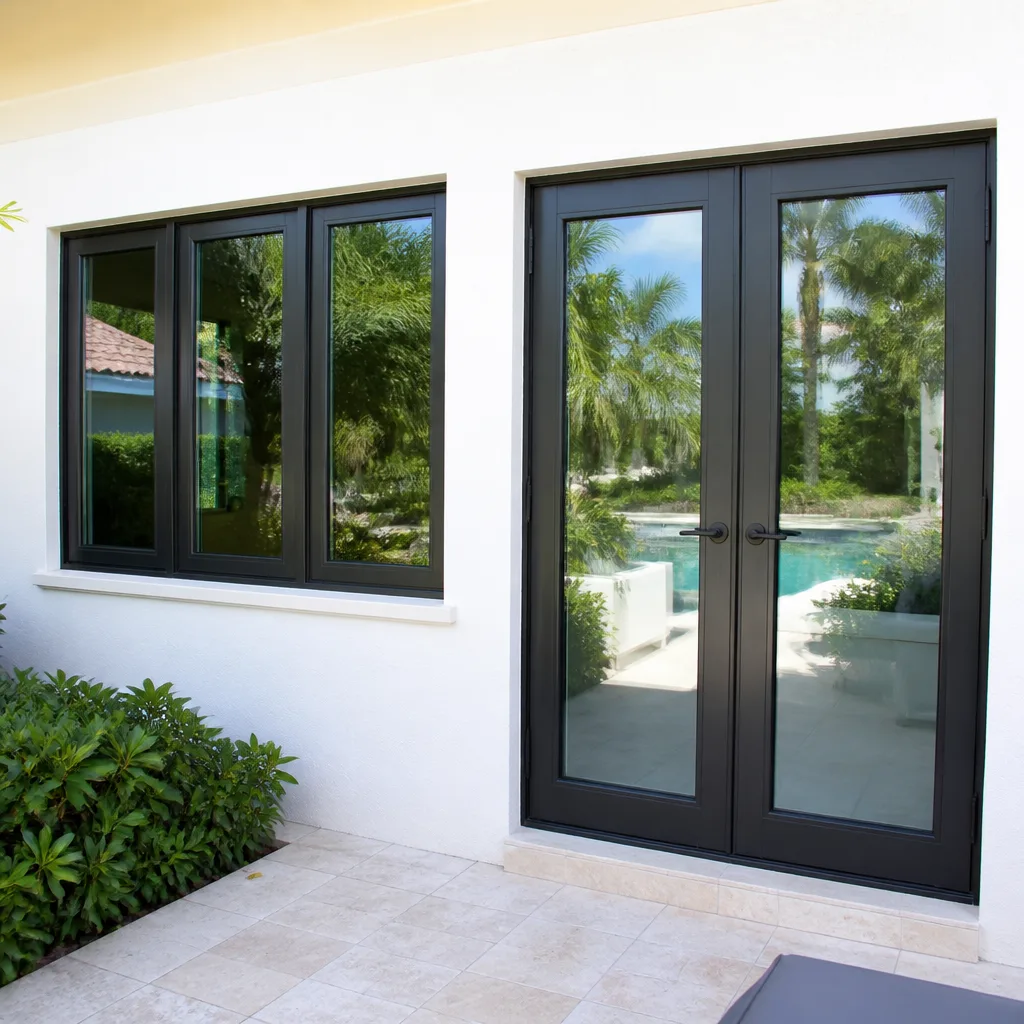 After
After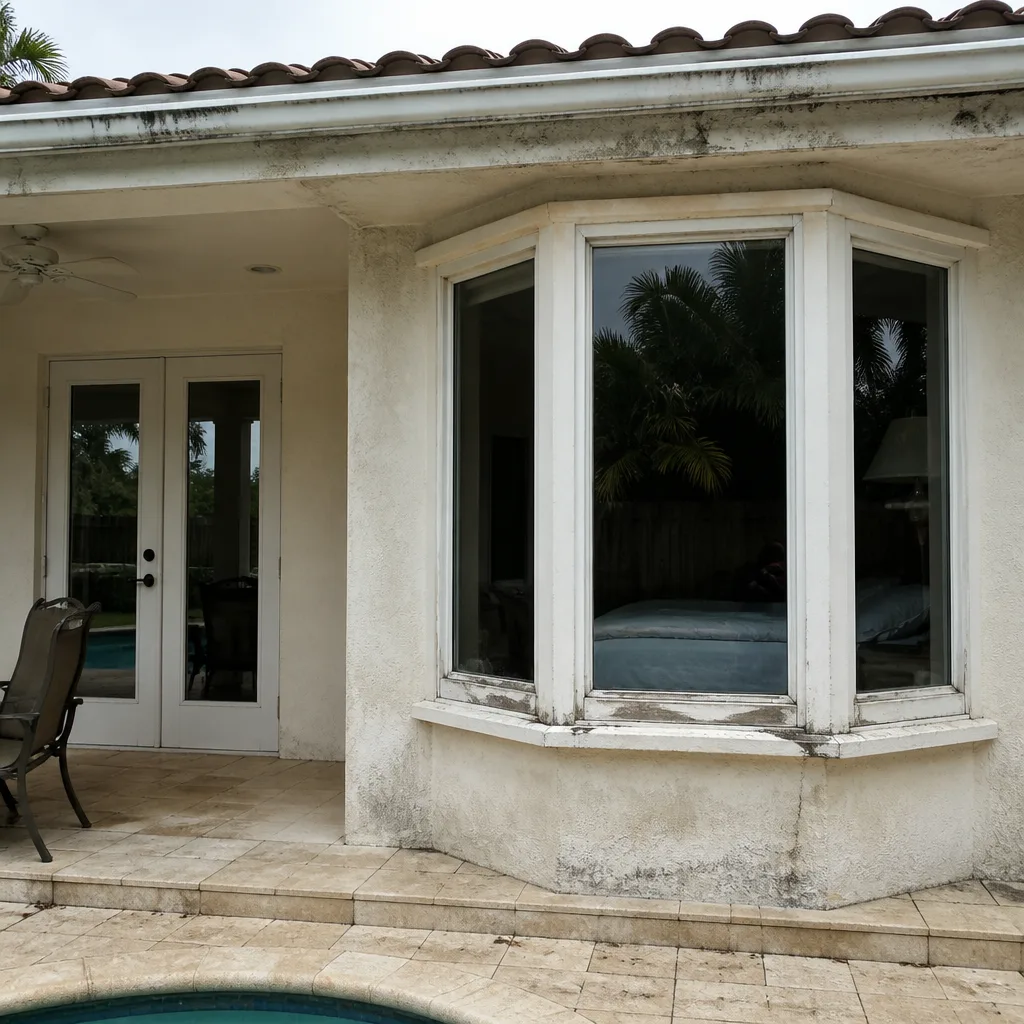 Before
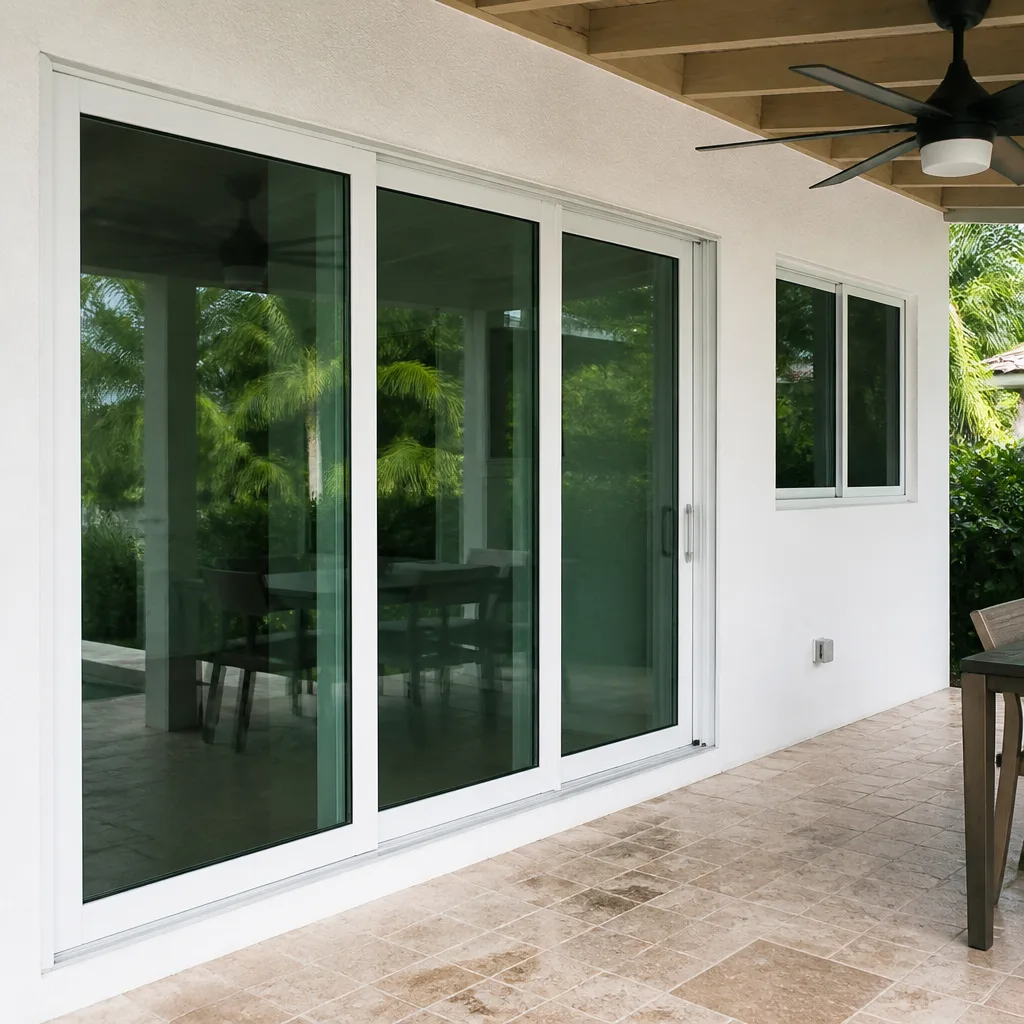 After
AfterDouble Hung Windows in Miami, FL | TruePane Windows & Doors
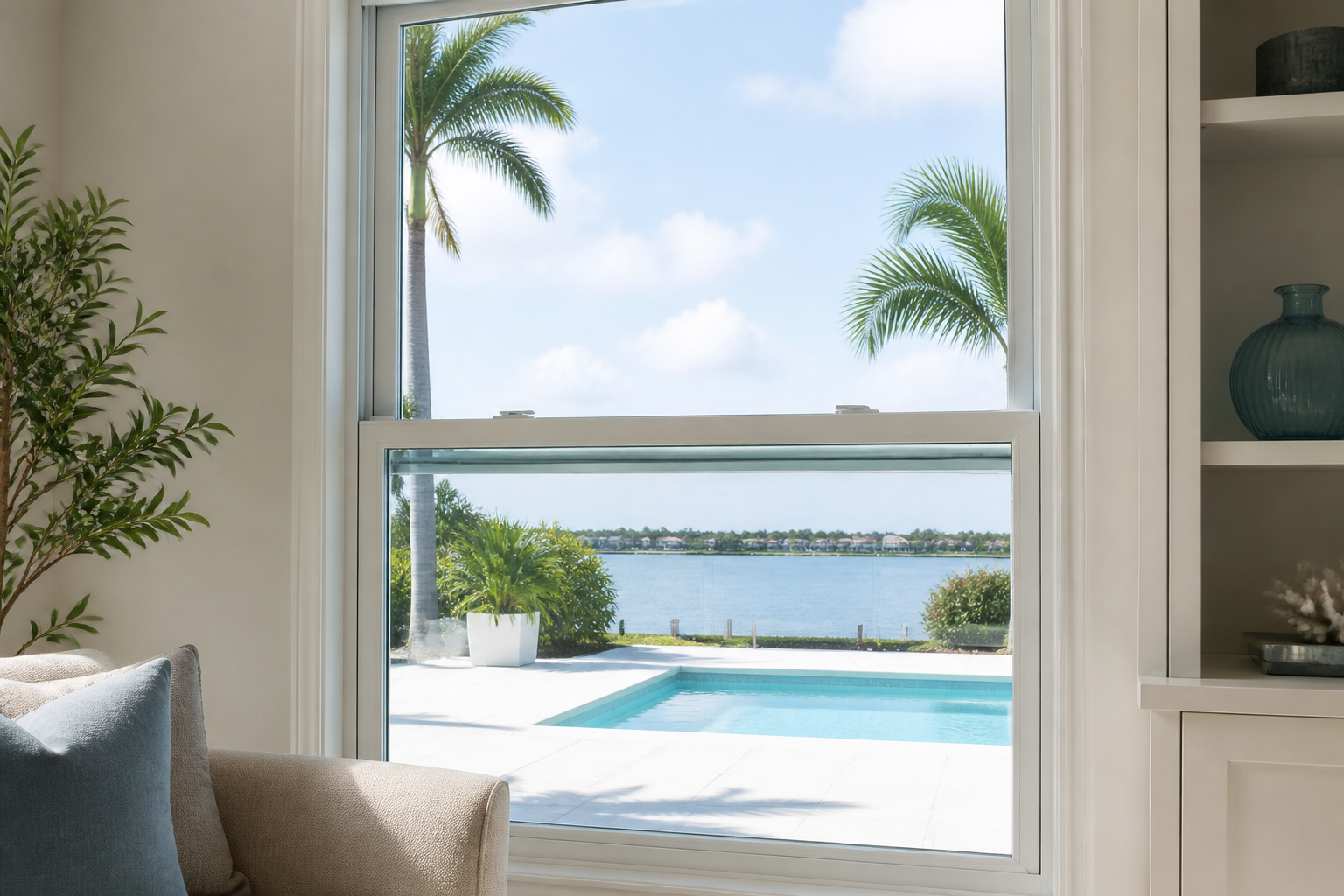
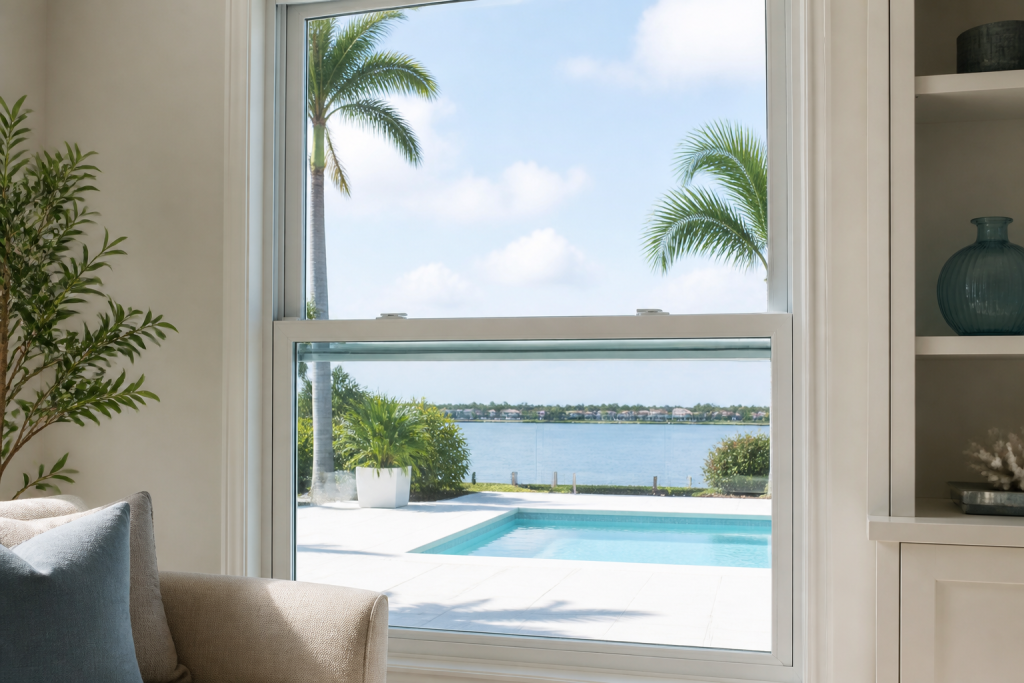
Double hung windows are the classic Florida profile: two sashes that glide vertically, a top and bottom that tilt inward for easy cleaning, and proportions that fit everything from 1950s Coral Gables ranch houses to new construction in Pinecrest. What makes our Double Hung Impact Series different is the laminated impact glass inside that familiar frame. You get the traditional look without the plywood ritual every time a storm spins up. TruePane Windows & Doors has installed these across Miami-Dade for years, on homes from the Upper East Side down to Cutler Bay. We handle the measuring, the permitting paperwork, and the install. Call (754) 238-2201 if you want to see samples or get a project started.
Product Overview - Double Hung Windows
The double hung is one of the most common windows in American residential architecture, and Miami has thousands of them in every style from MiMo to Mediterranean revival. Ours keeps the vertical-glide design you expect but builds it around a hurricane-rated laminated glass package. Both the top and bottom sash tilt inward, so you can clean the exterior-facing glass from inside your house, which matters on a second-story elevation where a ladder on uneven Florida limestone is a hassle you don’t need.
These are not retrofit covers bolted over an existing window. They’re full-frame replacements engineered for high-velocity hurricane zones. We build them in two frame materials: extruded aluminum for structural stiffness on large openings and rigorous coastal exposure, and vinyl for tighter budgets and smaller punched openings where the traditional look matters more than brute section depth. Either way, the impact protection comes from the laminated glass unit itself, not from a separate shutter or panel. In a storm, the PVB interlayer holds the glass in the frame so wind pressure doesn’t turn a broken pane into flying debris inside your living room.
Architecturally, double hungs suit the two-story stucco homes in Shenandoah and the mid-century low-slung builds near the Falls just as well as they suit a new Key Biscayne townhome. The profile reads traditional from the curb, which most Miami HOAs and historic districts insist on. What’s behind that profile is modern engineering: multi-chambered frames, reinforced meeting rails, stainless or high-corrosion-resistant hardware, and interlocking sash construction.
TruePane Windows & Doors installs this product across our PGT, CGI, CWS, ES Windows, ECO, and Mr-Glass lines. That’s not a list of options we’re trying to upsell. It means we can match the right fabrication line to your exposure category, your opening size, and your budget without being locked into one manufacturer’s constraints. For a double hung in Miami, that flexibility matters more than most homeowners realize until they see their first wind-load calculation.
Technical Specifications
This is the spec sheet portion, rewritten in plain terms. If you want the raw cut sheets and NOA drawings, ask and we’ll pull them for your specific openings.
- Frame materials: Aluminum or vinyl, selected by exposure and opening size. Aluminum for coastal and high-load conditions, vinyl for standard inland replacements where thermal performance matters more.
- Glass options: Laminated impact glass with a PVB interlayer, available as clear, tinted, or Low-E insulated. The laminated layer is what gives the window its impact rating; Low-E adds energy performance on west-facing walls where afternoon sun in Kendall cooks the glass.
- Finish options: White, almond, bronze, black, and tan. Covers most Miami exterior palettes from white stucco to earth-tone barrel tile.
- Screen options: Half screen on the bottom sash or full screen covering the opening. Half is more common on double hungs; full is available if you want the whole opening screened with the top sash down.
- Sill options: Standard sloped sill for drainage; elevated and flush options available per configuration.
- Design pressure: Matched to your wind zone. Manufactured up to +/-100, never higher. Your specific rating comes from the structural calcs for your address, not from a catalog number.
Hurricane & Compliance Performance
The compliance story on this window is not a marketing claim. It’s a set of test protocols and approval documents that your local building department will ask for. Here is what each layer means, in practical terms.
Laminated Impact Glass
The glass is built as a sandwich: two lites bonded by a PVB interlayer. Under impact, the glass may crack, but the interlayer holds the broken pieces in the frame. That’s the entire principle of Miami-Dade impact protection. The window keeps its barrier even with shattered glass. This is not a film coating; it’s a structural lamination built into the unit.
Miami-Dade NOA / Florida Product Approval
Every configuration carries a Notice of Acceptance or Florida Product Approval number. These are issued per configuration, which means the exact window size, glass makeup, and frame material have been through the approval process. When we quote your openings, the submittal package we provide matches the NOA to your specific size. No generic approvals, no swapping glass types without re-verification.
FBC / HVHZ Compliance
This window is engineered to Florida Building Code requirements for the High-Velocity Hurricane Zone. HVHZ is a stricter category than the rest of Florida, and Miami-Dade sits entirely within it. If you’re replacing windows in the City of Miami, Coral Gables, or any other HVHZ jurisdiction, your plans will be reviewed against this standard, and the NOA is the document that satisfies the reviewer.
TAS 201 / TAS 202 / TAS 203 Testing Context
These are the Florida test standards, not the AAMA glazing protocol most out-of-state window companies reference. TAS 201 is the large-missile impact test. TAS 202 is cyclic wind-pressure loading, which simulates a hurricane’s repeated pressure cycles, not a single gust. TAS 203 covers forced-entry resistance. Products rated for HVHZ go through this protocol family. Ask any window supplier in Miami which tests their glass actually passed, then compare.
Design Pressure for Your Wind Zone
Wind pressure on a window is not a single number. It changes based on where the opening sits on the building, how high off the ground it is, whether it’s on a corner, and what exposure category the site falls into. We match each opening to the design pressure the structural calcs require, up to +/-100. No one should be selling you “more pressure than you need” at a premium, and no one should be undercutting it either. The number comes from your property, not from a brochure.
Energy Performance
Low-E and insulated glass options are available for this window, which matters on any elevation that catches afternoon sun in Miami. A laminated-only double hung is impact-rated but may not perform the way you want on a west-facing wall in Doral. The Low-E insulated option combines the impact layer with an insulating air space and a low-emissivity coating. If you’re replacing single-pane windows that predate the original building code, the difference in heat gain through that glass is substantial.
Color & Glass Options
Color on a double hung frame is not just curb appeal. It’s how the window handles the Miami sun and how the finish holds up in salt air. The five finishes we offer: white, almond, bronze, black, and tan, cover most architectural palettes in Miami-Dade. White and almond fit the classic stucco homes in Westchester and Fontainebleau. Bronze and black work well on contemporary builds and darker coastal palettes in Miami Beach. Tan shows up often on Mediterranean homes where the window color needs to blend with barrel tile and earth-tone stone.
Glass choice follows a similar logic. Clear laminated is the workhorse impact option, and it keeps the view open, which matters when you bought the house for the water. Tinted glass cuts glare and heat gain, common on east and west elevations where the sun sits low in the morning and afternoon. Low-E insulated combines the impact layer with thermal performance for west-facing kitchens and bedrooms where air conditioning runs hot. The right spec comes down to elevation, orientation, and what room sits behind the glass.
Installation by TruePane Windows & Doors in Miami
A window with a valid NOA and a perfect TAS test report means nothing if it’s set into an opening incorrectly. The approval covers the product as tested, which assumes the installation follows the anchorage and flashing method specified in the approval drawings. That is the piece that most replacement-window installs in Miami get wrong, and it’s the piece we don’t.
Our install starts with a pre-installation inspection of the rough opening. In older Miami homes, that often means discovering rotted buck framing, water intrusion behind the stucco, or anchors that were never tied properly to the structure. If the opening can’t hold the new window, the window isn’t the problem. We address the opening first, then set the frame level, plumb, and square. On an HVHZ-compliant install, there is no room for “close enough” shimming, because the anchorage loads are calculated on a plumb frame.
We seal the perimeter with AAMA 812 low-expansion foam, which is the current standard for an air and water seal that doesn’t bow the frame. We install to AAMA 2400 and 2410 practice for window installation in this climate. Then we do a water test before we call the job done. That means running water around the opening and checking the interior, then checking again after the first heavy rain. Some crews skip that step. We don’t, because in Miami, the first heavy rain is usually a couple of weeks away.
Miami-specific site conditions drive some of our decisions: coastal exposure category, wind zone, whether the opening is on a corner, whether the existing structure is concrete block, wood frame, or a mix. Each municipality in Miami-Dade has its own permitting requirements, and we’re familiar with the process in the City of Miami, Coral Gables, Pinecrest, Cutler Bay, and the unincorporated county. If your job requires an NOA submittal for the permit package, we provide it up front, not after the permit gets held in review.
Improper installation compromises the entire NOA-rated system. The product approval assumes the approved anchoring method, the approved fasteners, and the approved flashing. When a sub trade slaps a hurricane window into an opening with construction adhesive and a prayer, the window loses its rating the moment the first wind load hits. Professional installation isn’t an upsell on this product. It’s the only way the rating survives contact with the real thing.
Frequently Asked Questions - Double Hung Windows
The design pressure is matched to your specific wind zone and opening location, up to +/-100. The number on your quote comes from structural calculations for your property, not from a generic product rating. Call (754) 238-2201 and we’ll pull the calculations for your openings.
Lead times vary by the fabrication line, glass type, and current demand. A standard aluminum double hung with clear laminated glass moves faster than a custom vinyl unit with Low-E insulated glass and a bronze finish. We’ll give you a written lead time with your quote, not before we know what we’re quoting. Start with a free on-site measurement at (754) 238-2201.
Yes, in every HVHZ jurisdiction in Miami-Dade, your permit package for impact window replacement includes the NOA or Florida Product Approval documentation for the exact configuration you’re installing. We provide that submittal package with our quote, sized to your specific openings. Call (754) 238-2201 and we’ll verify what your municipality requires.
Double hungs are made to your rough openings, not picked off a shelf. Within the tested size ranges for the NOA, we can configure opening size, frame material, glass type, finish color, and screen option. If your opening falls outside the approved range, we’ll tell you before we quote it, and we’ll tell you what will work instead. Call (754) 238-2201 with your window list.
Clean the frame and track with mild soap and water every few months, and keep the weep holes clear so water drains the way the sill was designed to. The tilt-in sashes make glass cleaning straightforward; tilt them inward from inside the house. If a balance or tilt latch wears out, call us before you force the sash. Forced sashes break hardware. For service, call (754) 238-2201.
Get a Quote - Double Hung Windows in Miami
If you’re weighing double hung replacement windows for a home in Miami, start with a measurement and a written line-item quote. We’ll spec the right frame, glass, and finish for each opening, pull the NOA documentation, and walk you through what the permit package requires. Call (754) 238-2201 to schedule a free on-site measurement, or bring your window list and we’ll work up preliminary pricing.
Written by the team at TruePane Windows & Doors, serving Miami, FL with impact window and door installations across Miami-Dade County.
Six Reasons Homeowners Choose TruePane Windows & Doors
Impact systems engineered to design pressures up to +/-100, matched to your wind zone - your openings hold when the storm arrives.
Low-E insulated impact glass from our manufacturer lines commonly cuts monthly cooling bills 20-30%.
Laminated impact glass shuts out up to 40% of outside noise - traffic, neighbors, weather.
Monitoring services run $30-90 a month. Laminated impact glass resists forced entry around the clock, with no subscription.
Florida homeowners average around 25% savings on the windstorm portion of their policy after protecting every opening - some homes qualify for more.
A full impact package upgrades curb appeal, buyer confidence and appraised value in one project.
Other TruePane Windows & Doors Services
What Neighbors Say About TruePane Windows & Doors
Detailed Images