
Free in-home measure and quote - PGT, CGI and CWS impact lines compared on your actual openings, style by style
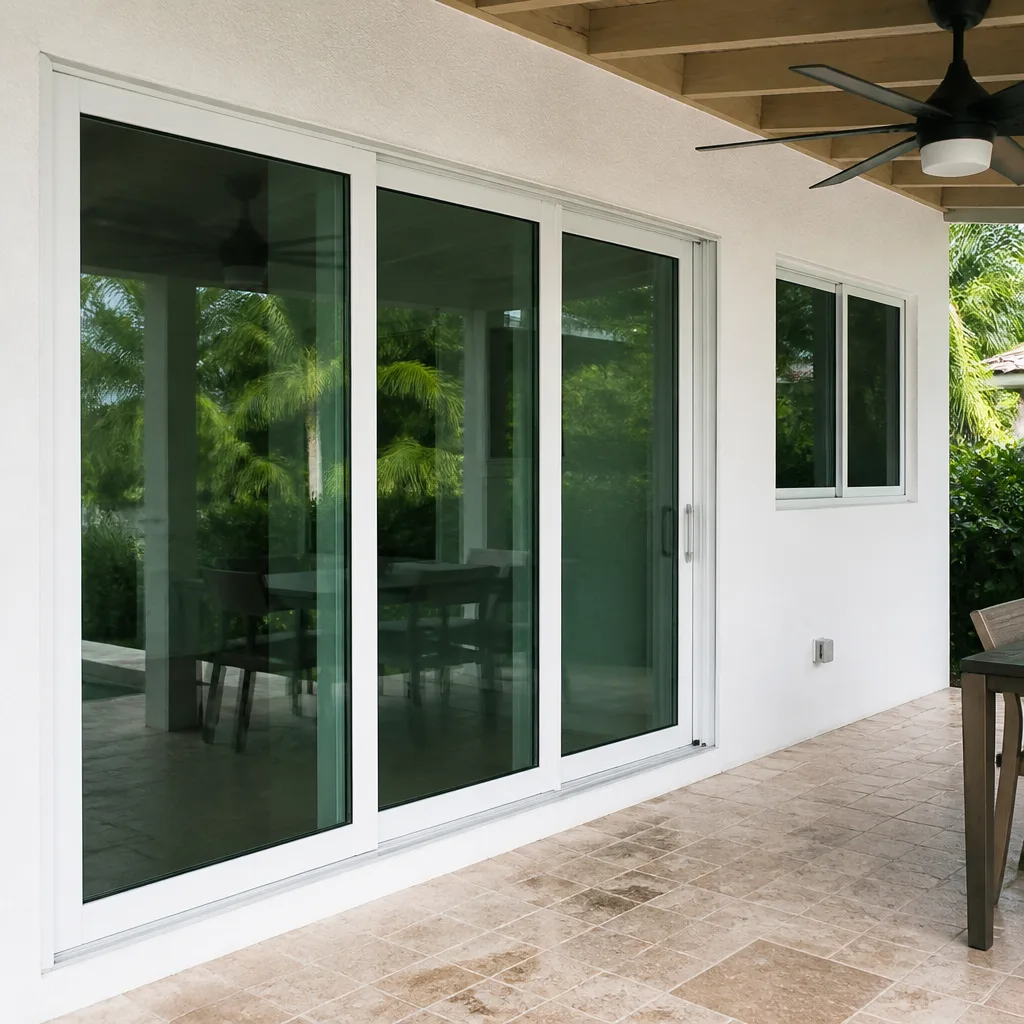
Sliding glass doors
Impact garage doorsPGTCGI
 Before
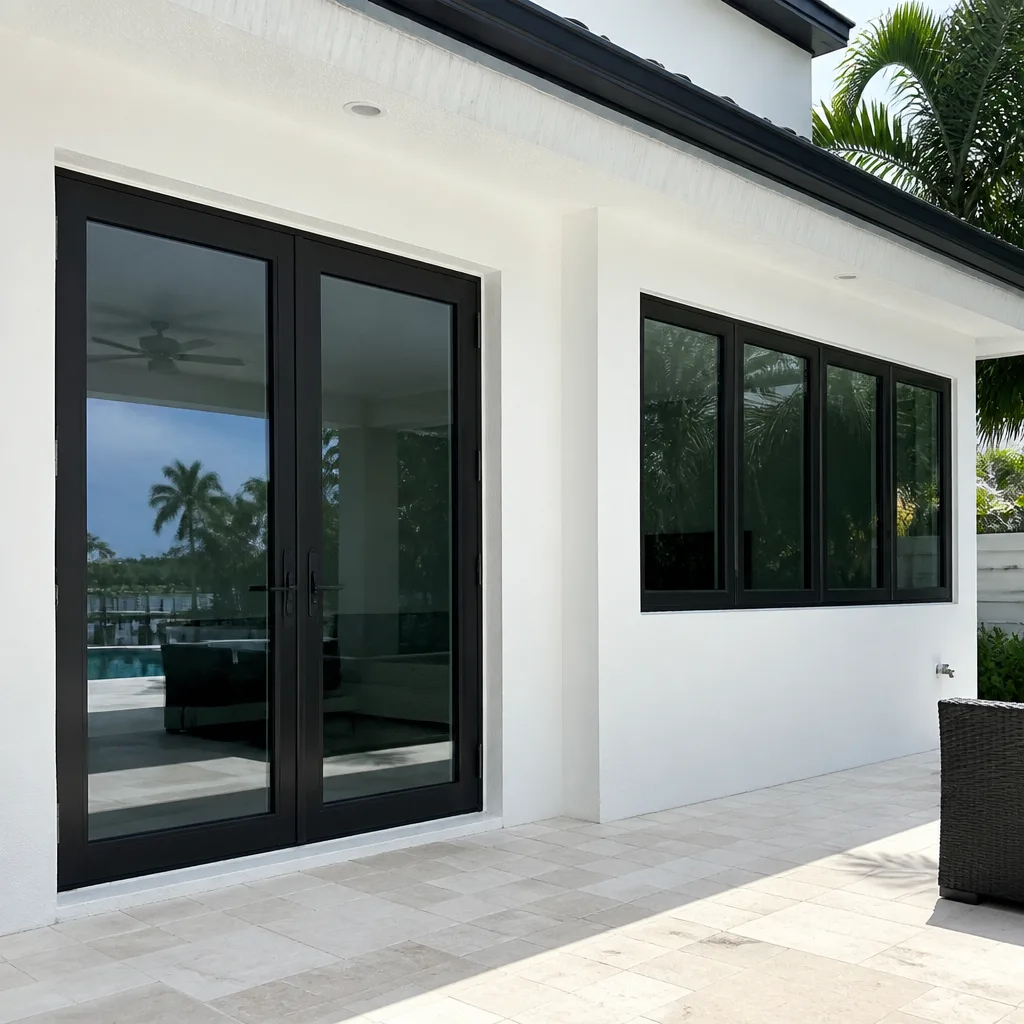 After
After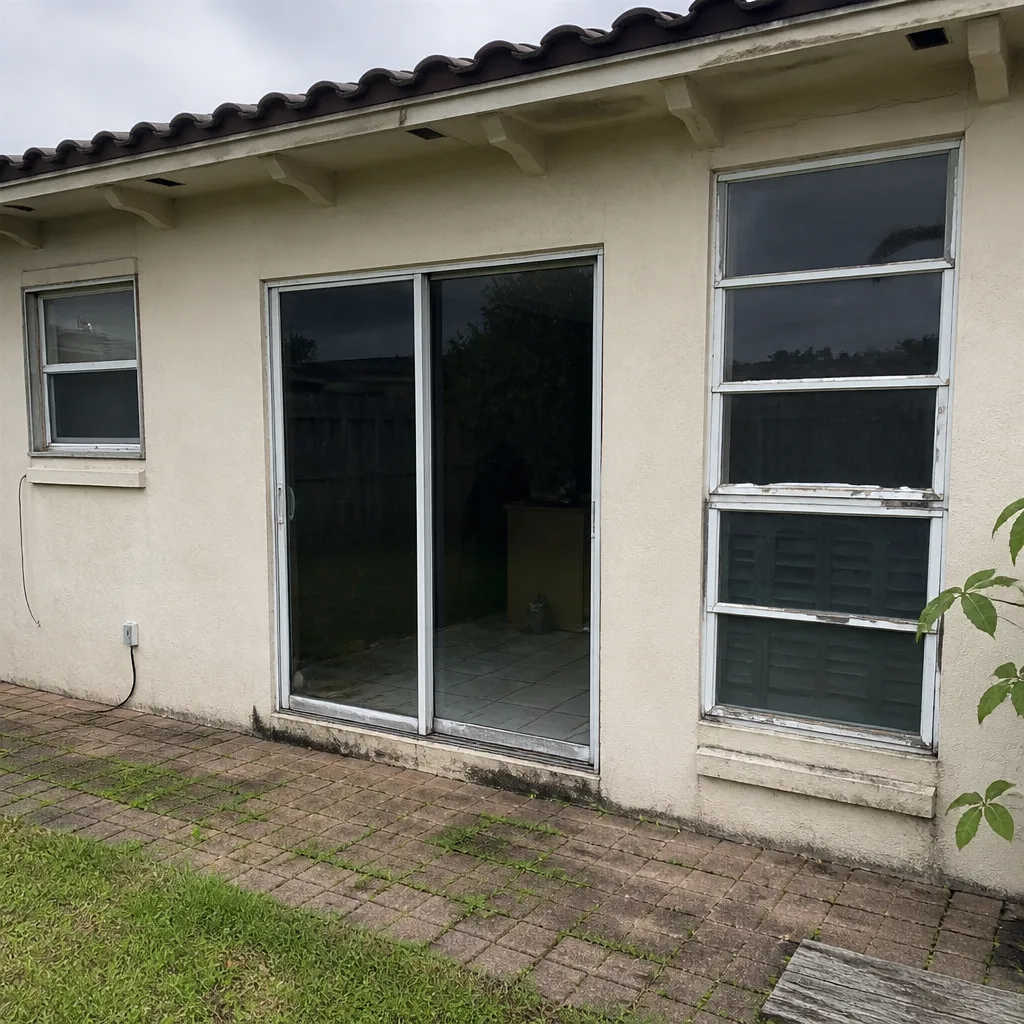 Before
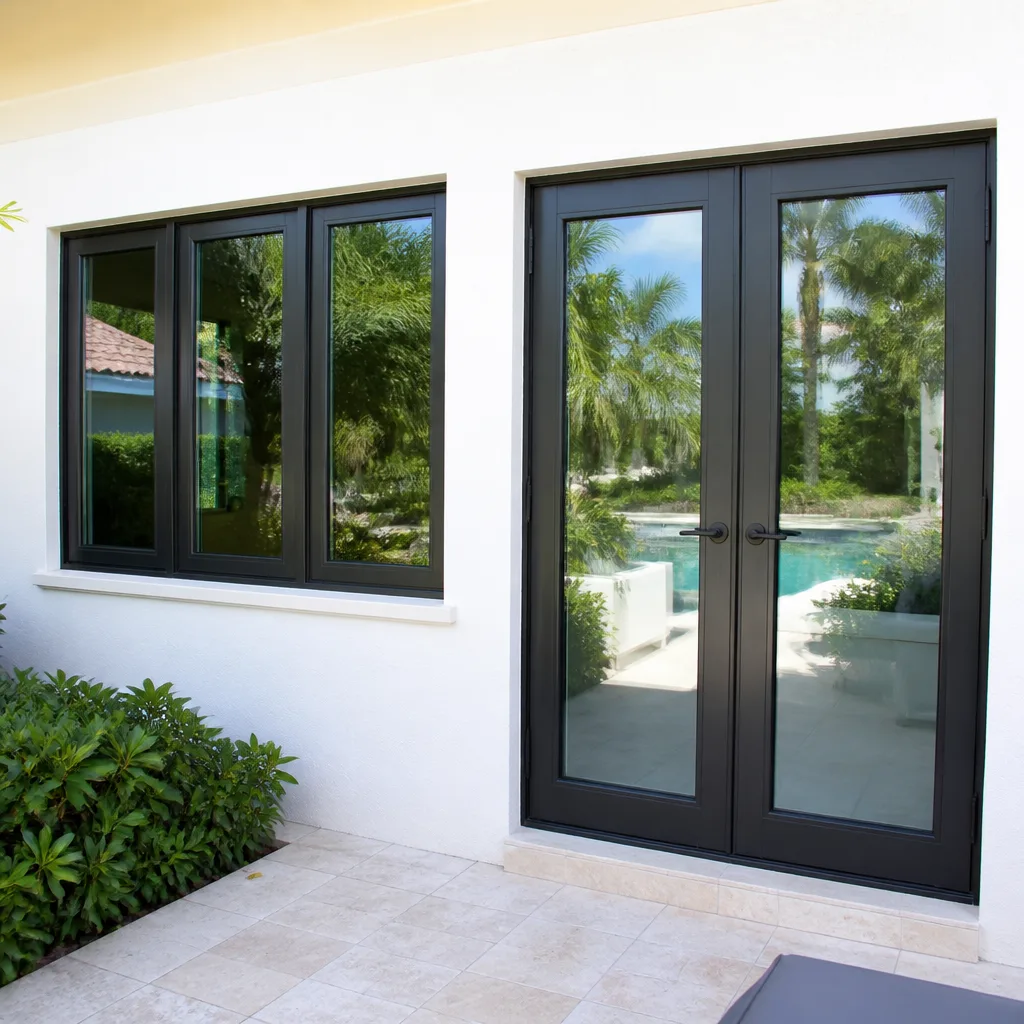 After
After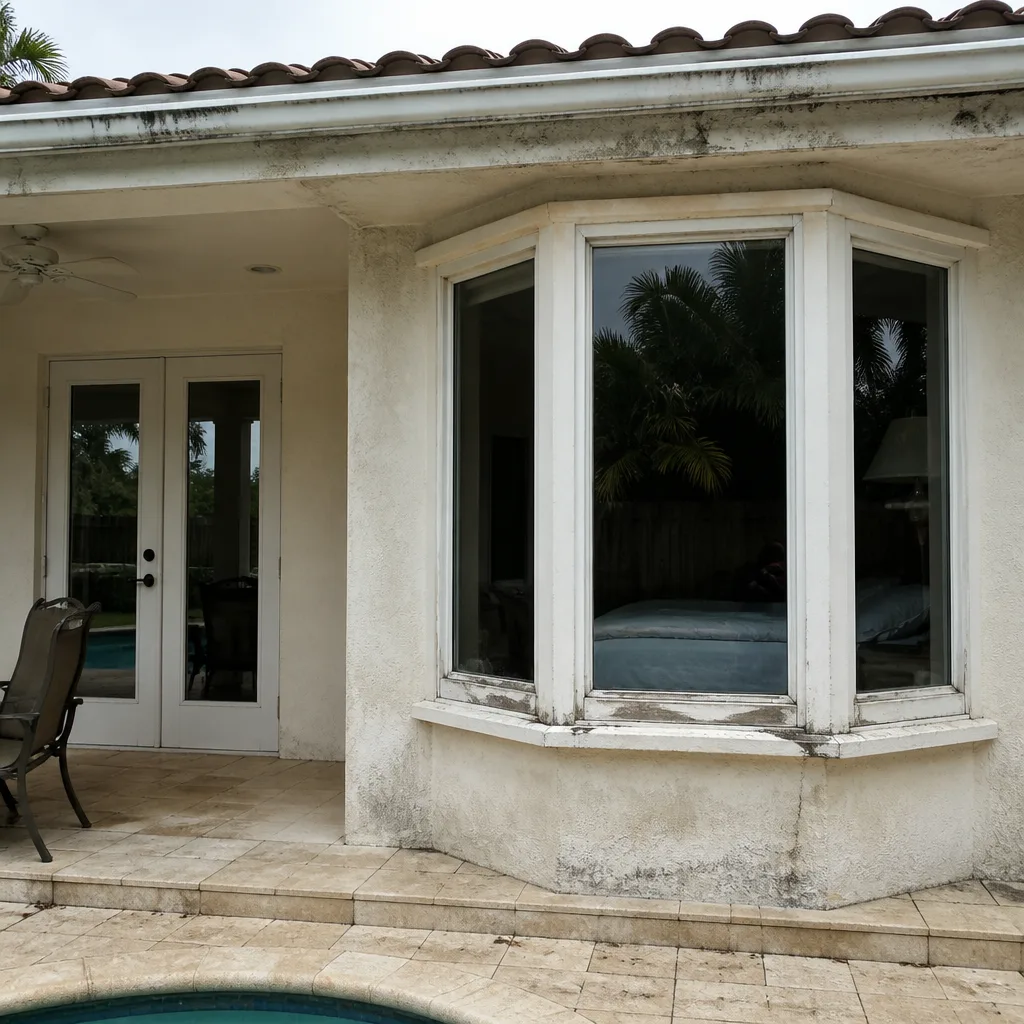 Before
 After
AfterCGI Glass Railing Systems: The Miami Owner’s Guide
We stock and install CGI-compatible glass railing systems across Miami, with most complete panel replacements running $850 to $1,950 installed depending on glass thickness, hardware finish, and panel count. Our trucks carry the common CGI railing components, and we can typically complete a swap within one visit. Most Miami owners discover a problem the same way: a handrail that suddenly feels loose at the top corner, or a glass panel that has begun rattling against its shoe in afternoon wind off the bay.
CGI builds railing systems to handle coastal exposure, but salt air, UV, and the daily expansion cycle of South Florida heat find the weak points sooner or later. The good news is that most CGI railing failures are isolated to one component, not the whole run. The bad news is that matching the wrong part to your series creates a fit problem you’ll feel every time you put weight on the rail. Here’s what we’ve learned working on these systems in Miami homes over the years.
Which CGI Models This Applies To
CGI’s glass railing line splits into two main families: the 200 Series for residential balconies and stair runs, and the 450 Series for heavier commercial and oceanfront applications. The 450 uses a taller base shoe with a 1/2-inch glass pocket; the 200 runs a 3/8-inch pocket. They are not interchangeable. If you or a previous contractor tries to set a 200-series shoe on 450 posts, the glass will sit cocked and put constant lateral pressure on the gasket, which is exactly how panels crack at the corner over a summer.
The fastest way to identify your part is the small etched marking in the lower corner of any glass panel. It lists the panel’s thickness and a production code. If that etching is too weathered to read, measure the glass thickness and the inside width of the aluminum shoe. Write both down before you call anyone. For hardware, CGI uses a proprietary post cap and set-screw design on most Miami installs. Generic aftermarket caps will fit over the post, but the screw lands off-center and strips the thread after two or three retightenings. On hardware we always recommend OEM. On glass panels, a quality 3/8-inch or 1/2-inch tempered panel cut to CGI’s exact tolerance works well and often saves money, but the edge finish and hole placement have to match the series or the gasket won’t seat. That tolerance matters more on glass railing than on any window we install.
Signs Your CGI Glass Railing System Is Failing
- Handrail wobble at the corner posts. This is almost always the set-screw or post cap thread wearing out at the joint where the top rail meets the corner post. In Miami’s salt air, the aluminum corrodes microscopically around the screw seat, and each wind gust works the joint a little looser. Tightening it back down usually buys you a few months at most before the thread gives out entirely.
- Glass panel rattle inside the base shoe. The rubber gasket inside the shoe breaks down from UV exposure and heat cycling. Once it hardens and shrinks, the panel loses its compression fit. You’ll hear it on windy afternoons, and it means the glass is now riding directly on aluminum, which is how chips start at the bottom edge.
- White chalky residue running down from a post base or cap. That’s galvanic corrosion, and it’s common on older CGI installs near the water where stainless hardware met aluminum without an isolation washer. The residue itself is cosmetic, but it tells you the hardware is degrading internally and the post is not holding the tension it was designed to hold.
- A panel that sits visibly lower on one side. This means the base shoe has shifted or the shim pack under the shoe has compressed and fallen out of level. It puts the entire panel under a shear load, and tempered glass doesn’t fail gradually under shear. It holds until it doesn’t. We flag this as a repair-now item every time we see it on a walkthrough in neighborhoods like Coconut Grove and Pinecrest where older deck structures settle.
- Green staining around the base plates. Copper-based corrosion from the decking fasteners bleeding through the aluminum. It’s a sign the original install skipped the isolation barrier between the stainless anchor and the aluminum shoe. The railing won’t fall over tomorrow, but the anchors are quietly sacrificing themselves to the salt air, and the longer it goes, the more involved the fix becomes.
Replacement Cost & What’s Included
Here’s what Miami homeowners can expect on a typical CGI glass railing component replacement:
| Scope | Typical Installed Price |
|---|---|
| Single glass panel replacement (3/8″ or 1/2″ tempered, cut to CGI spec) | $400 - $750 |
| Base shoe and gasket replacement per 6-ft section | $180 - $320 |
| Post cap and set-screw hardware kit per post | $80 - $150 |
| Full top rail replacement per 10-ft run | $350 - $600 |
| Complete 6-panel balcony railing system replacement | $5,200 - $9,800 |
These prices include the part, labor, disposal of the old material, and our written line-item quote before any work starts. What drives the range is mostly panel size and access. A balcony railing on a second story in Coral Gables with a tight scaffold setup runs higher than a ground-level pool deck in Kendall. We register the manufacturer warranty on every CGI part we install and back the workmanship with our Done Right Promise, so if a panel develops a problem in the first three months, we come back and make it right without paperwork. Call (754) 238-2201 and we’ll give you a firm number for your specific run.
DIY or Call Us?
There’s a safe middle ground here, and we’ll tell you where it sits. A homeowner can absolutely inspect their railing system, identify loose caps, note corrosion points, measure a panel, and map which sections seem affected. That homework makes every conversation faster and every quote more accurate. Where DIY goes wrong is the reset and retension work. Glass railing panels are under constant compression, and tempered glass carries internal stress. If a panel is cocked in the shoe and you loosen the wrong set screw first, the panel can release suddenly and drop. We’ve replaced shattered panels on more than one Miami patio where the fix ended up costing three times the original repair. Gasket replacement requires shimming the glass back to level before compression, and that’s a feel job. Dale Kessler has the same rule for railing he has for windows: measure it right the first time, or plan on coming back. If you’re unsure what series you have or whether the panel is under load, call us at (754) 238-2201 and we’ll walk you through what to look for before you touch anything.
FAQs
Expect 15 to 22 years from a well-installed CGI railing system in Miami before the hardware begins to fatigue, with hardware typically failing before the glass. Oceanfront properties in communities like Key Biscayne or Bal Harbour may see hardware replacement closer to the 12-year mark because of constant salt exposure. Glass panels themselves rarely need replacing unless they’re damaged or the edge finish has chipped from a shifting shoe.
Most failures are repairable component by component. We replace the bad post cap, the worn gasket, or the single cracked panel and leave the rest of the run intact. Full replacement only makes sense when the base shoes are corroded across the run or the original install was out of level from day one. Call (754) 238-2201 and we’ll tell you honestly which situation you’re looking at after a walkthrough.
A single panel or hardware replacement typically takes two to four hours, including removing the old component, prepping the shoe, setting the new part, and cleaning up. A full multi-panel run replacement can take one to three days depending on access and whether the base shoes need resetting. We’ll give you a schedule in writing before you commit.
We keep the common components on our trucks: gaskets, post caps, set screws, and standard panel sizes for the 200 and 450 series. Custom panel sizes or full runs are ordered directly from CGI or cut by our Tampa glass partner and typically arrive in Miami within a week. We’ll match your part to the exact series before ordering anything, and we carry Andersen, and Pella railing components as well for mixed installs.
Call TruePane for Your CGI Glass Railing System in Miami
If your CGI glass railing system feels loose, rattles in the wind, or shows signs of corrosion, call us at (754) 238-2201 for a free estimate. We’ll send a background-checked, uniformed technician to measure your run, identify the exact series and part number, and give you a written quote with the part and labor broken out line by line. We’re an independent Miami service provider and installer, not affiliated with CGI, but we’ve worked on enough of their systems to know them part for part. We’re a second-generation glazing company serving Miami and the surrounding communities since 2008, with a live person answering every call and a Done Right Promise on every job. One call gets you a square deal and a railing that doesn’t move when you lean on it.
Written by Dale Kessler, Owner, TruePane Windows & Doors at TruePane Windows & Doors, serving Miami and nearby areas.
Six Reasons Homeowners Choose TruePane Windows & Doors
Impact systems engineered to design pressures up to +/-100, matched to your wind zone - your openings hold when the storm arrives.
Low-E insulated impact glass from our manufacturer lines commonly cuts monthly cooling bills 20-30%.
Laminated impact glass shuts out up to 40% of outside noise - traffic, neighbors, weather.
Monitoring services run $30-90 a month. Laminated impact glass resists forced entry around the clock, with no subscription.
Florida homeowners average around 25% savings on the windstorm portion of their policy after protecting every opening - some homes qualify for more.
A full impact package upgrades curb appeal, buyer confidence and appraised value in one project.