
Free in-home measure and quote - PGT, CGI and CWS impact lines compared on your actual openings, style by style
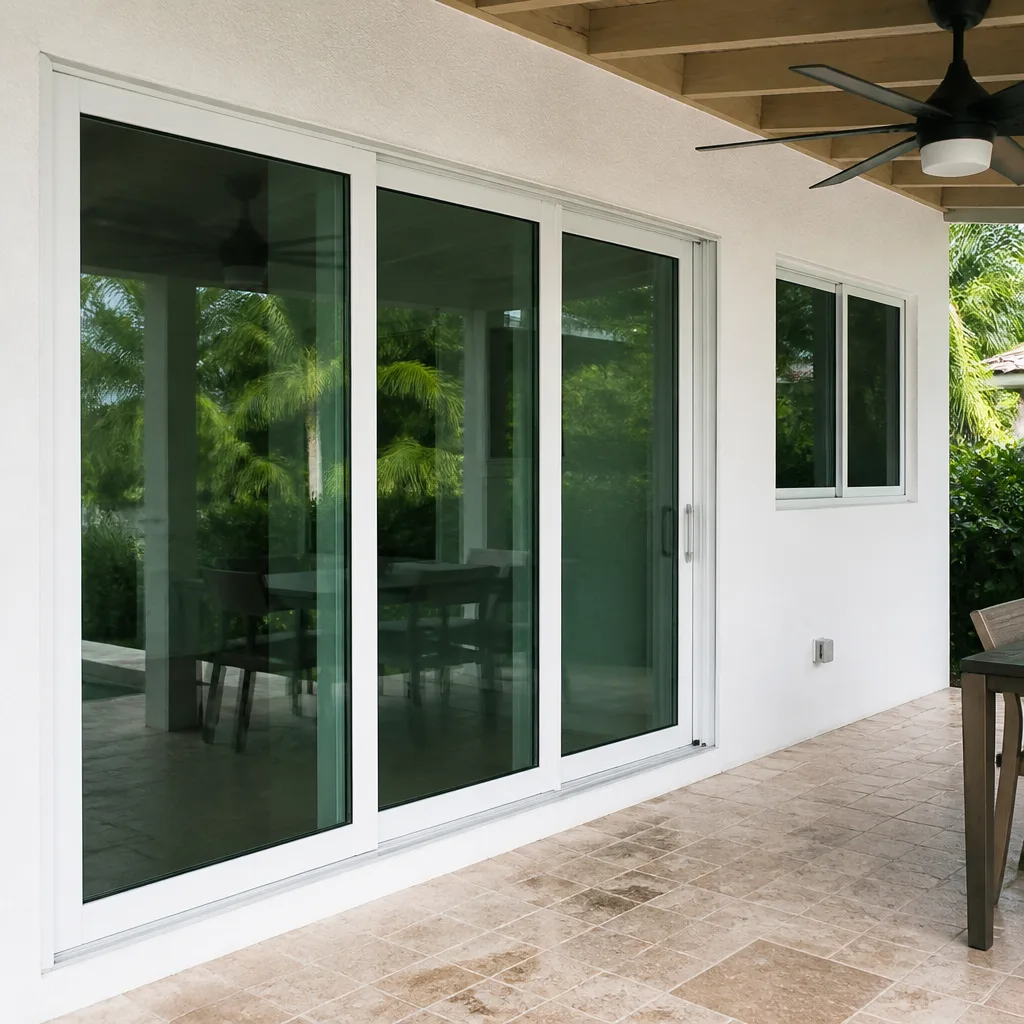
Sliding glass doors
Impact garage doorsPGTCGI
 Before
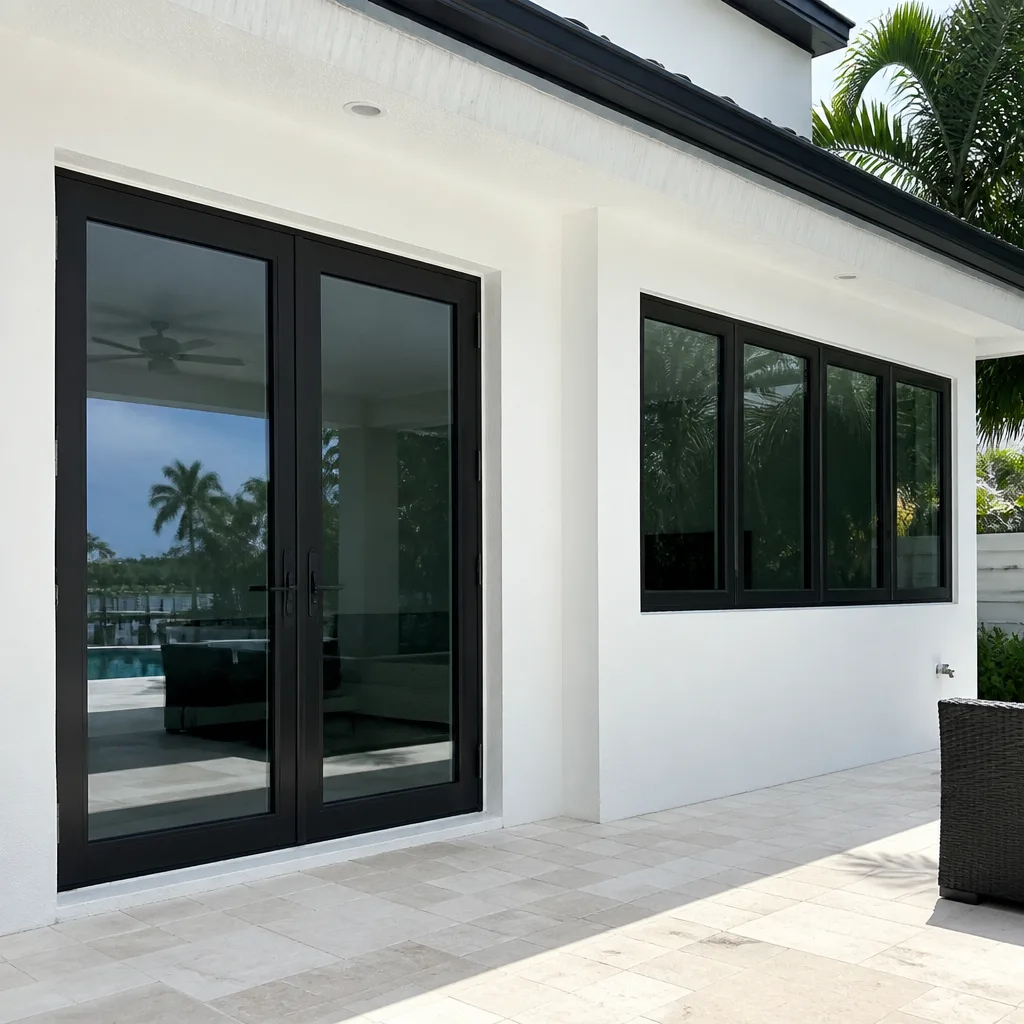 After
After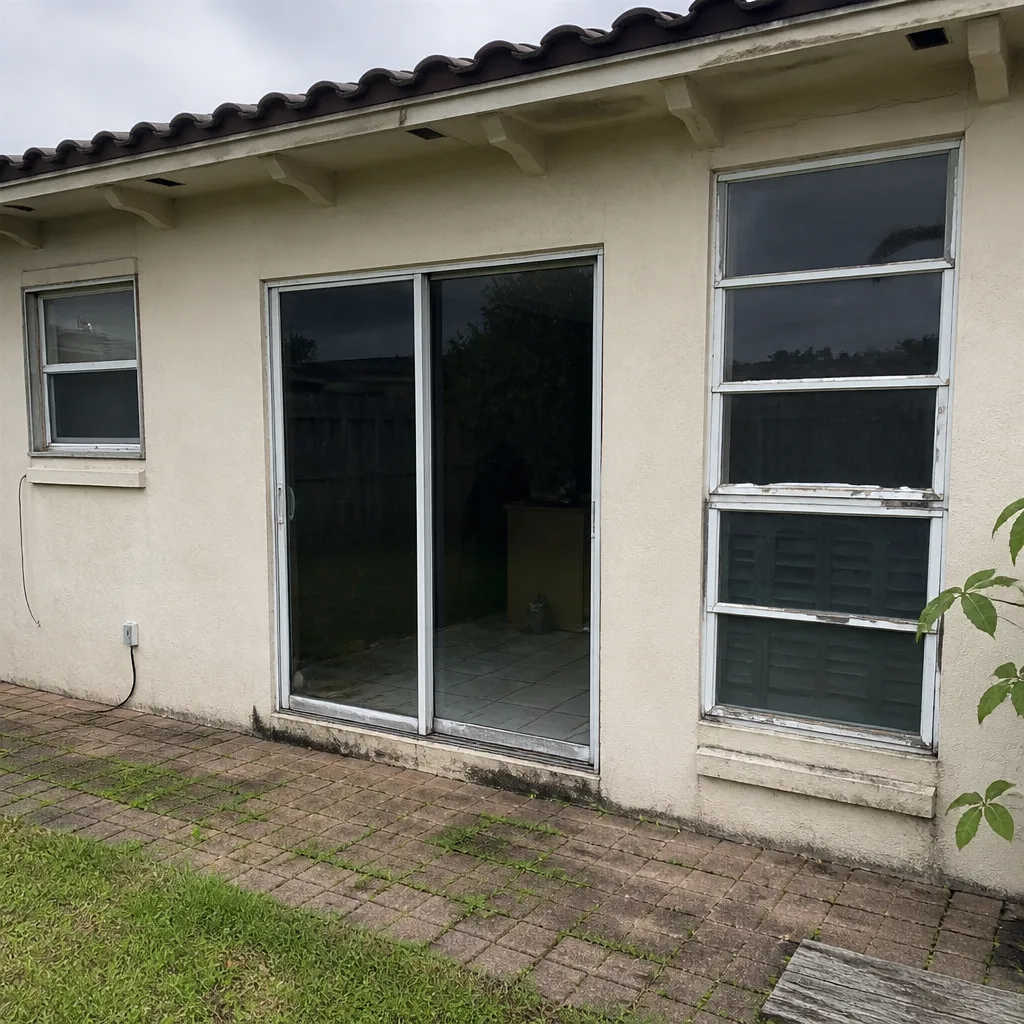 Before
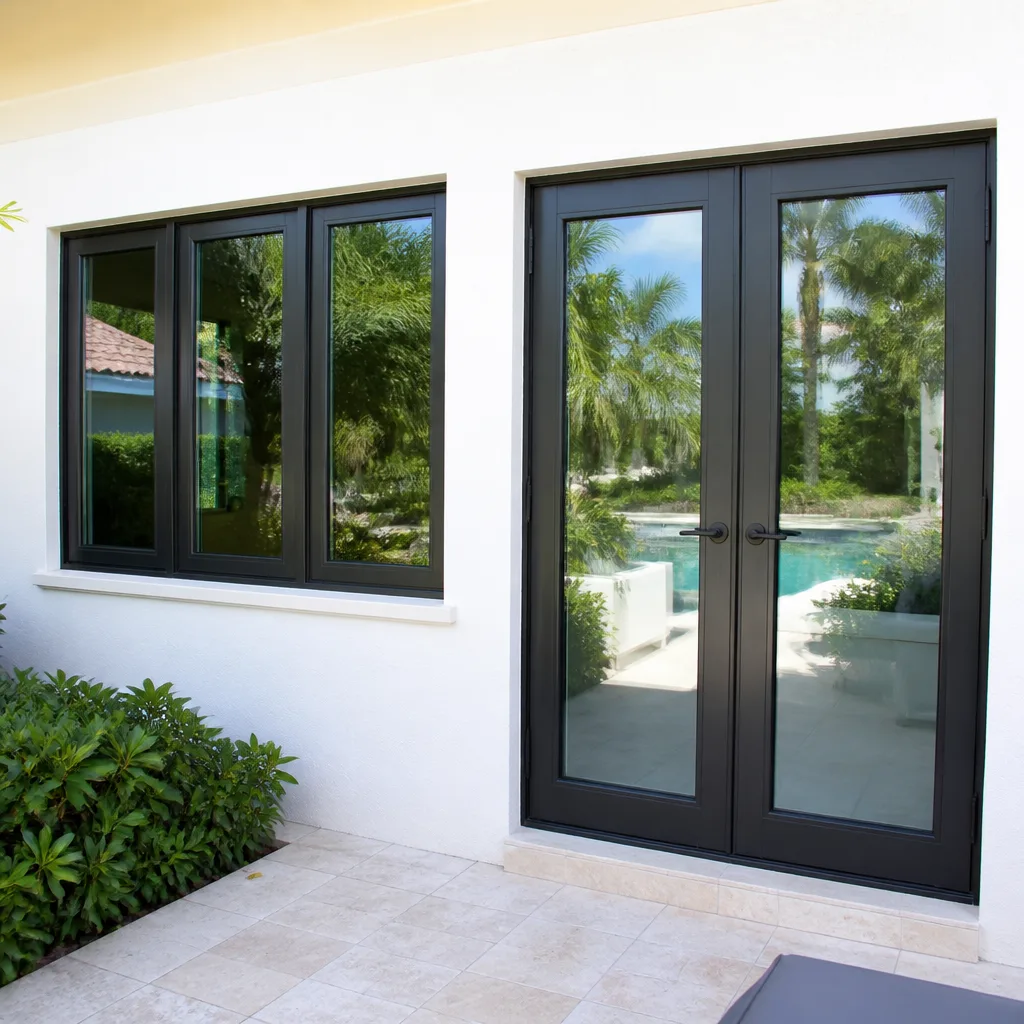 After
After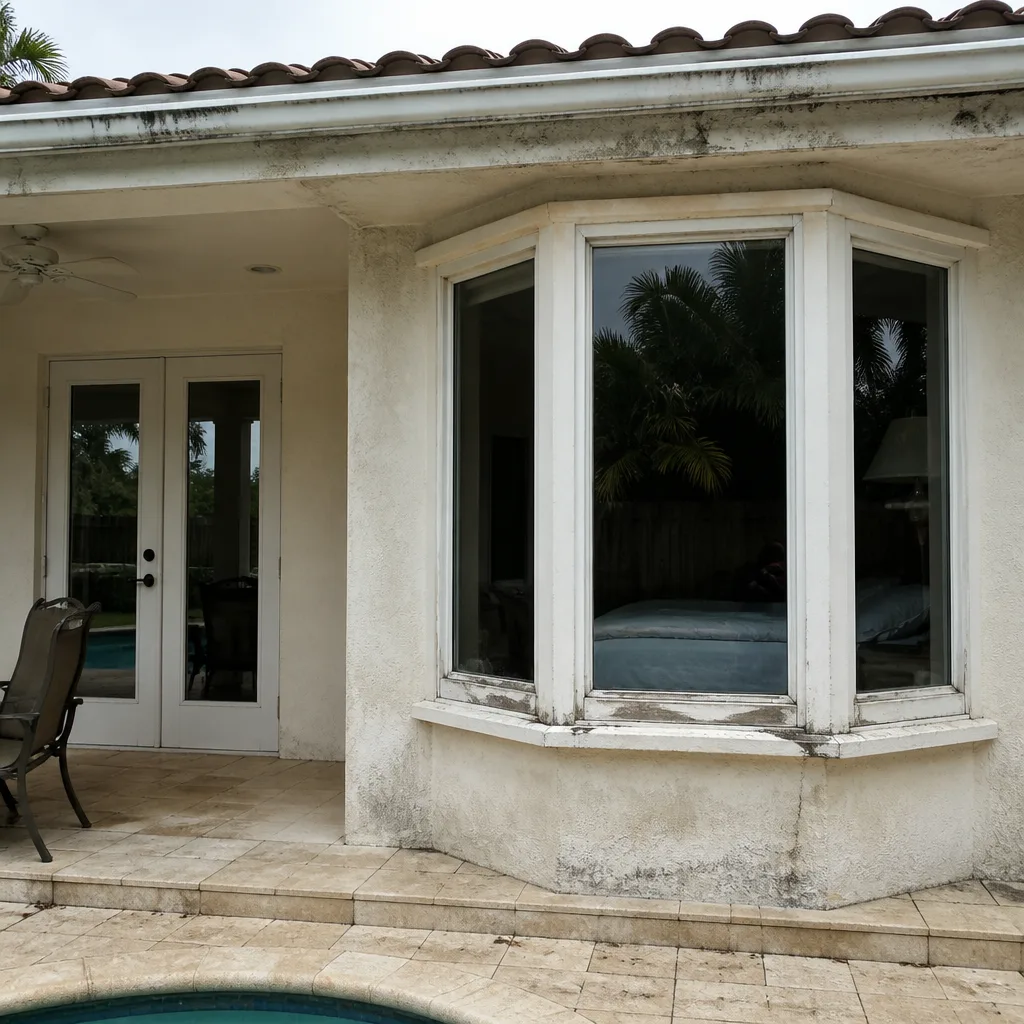 Before
 After
AfterCGI Window Installation: The Miami Owner’s Guide
CGI window installation in Miami typically runs between $85 and $145 per window for a straightforward sash replacement when the frame is still square and the track is intact, while a full window pull-and-reset lands closer to $350 to $700 depending on size and how much flashing needs to come out with it. We stock CGI-compatible hardware on the truck and can usually complete the installation the same day we diagnose it. Most Miami homeowners discover the problem the way you probably did: a window that won’t seal against the July rain, a crank that spins without moving the sash, or a latch that suddenly doesn’t line up with the strike plate anymore. You’re not imagining it. Salt air, daily sun, and the constant expansion-contraction cycle of hurricane-rated frames take a toll on moving parts long before the glass itself gives out.
Which CGI Models This Applies To
This guide covers the CGI product lines most common in Miami-Dade residential construction: the Estate Collection, the Sentinel series, and the older Estate 2000 and Estate 3000 lines that builders installed heavily from the late 1990s through the mid-2010s. If you’re not sure which series you have, check the inside edge of the frame near the bottom corner of the operating sash. CGI stamps the model and manufacturing date into the frame channel there in letters small enough to require a flashlight. The model number tells us what matters: whether your window uses a friction hinge or a butt hinge, whether the roller is a tandem nylon wheel or a single steel bearing, and whether the locking mechanism is a single-point cam lock or a multi-point system that needs adjustment in sequence.
One compatibility gotcha worth knowing before you buy anything online: CGI changed the roller housing dimensions on Estate Collection sliders in 2012, and the old roller will not seat into the new track profile no matter how much you persuade it. We keep both versions on the service trucks because we’ve had that exact conversation with too many Miami homeowners holding a bag of parts that don’t fit. On the OEM-versus-aftermarket question, our position is simple: for latches, rollers, and keepers, quality aftermarket equivalents from a handful of US manufacturers perform equal to CGI-branded parts at roughly 40 percent less. For anything involving the frame corner keys or the aluminum extrusion itself, we use original CGI components only. The hurricane certification lives in the frame geometry, and that’s not the place to save forty dollars.
Signs Your CGI Window Installation Is Failing
- The window closes but doesn’t seal. You can see daylight through the weatherstrip channel or feel air moving on a breezy afternoon. The sash has dropped out of square, usually because one roller or hinge has worn unevenly, and the interlock between the sashes isn’t engaging.
- The crank turns with no resistance. On Estate casements and awnings, this means the gear inside the operator has stripped or the spline connecting the crank to the torque bar has rounded off. The operator is a replaceable cartridge, not a full window replacement.
- The lock barely engages or pops open on its own. The keeper plate and lock tongue have worn a few millimeters out of alignment. What started as a nuisance becomes a security problem, because even a properly rated impact window can’t protect a home if the sash isn’t actually locked.
- The slider sounds like it’s dragging gravel. Nylon roller wheels disintegrate in Miami’s salt-laden humidity. When the bearing inside seizes, the wheel stops rolling and starts grinding flat spots into the aluminum track. That’s the sound of a forty-dollar part slowly ruining a two-hundred-dollar track.
- Condensation inside the glass or a milky film along the frame edge. This is a failed seal on an insulated glass unit. The fix is glass replacement, not surgery on the existing sash, and it’s worth addressing before the seal failure spreads and the sash becomes permanently fogged.
Replacement Cost & What’s Included
For Miami homeowners, the honest numbers look like this:
- Sash roller replacement (slider/patio): $85 to $145 per window, including the rollers, track cleaning, and re-alignment.
- Crank operator replacement (casement/awning): $120 to $190, including the new operator cartridge and handle alignment.
- Lock and keeper replacement or adjustment: $75 to $140, depending on whether it’s a single-point or multi-point mechanism.
- Full sash pull-and-reset (frame re-squaring, new hardware, new weatherstrip): $350 to $700 per opening, which covers the labor-heavy work of removing the sash, correcting the plumb and level, and bedding the frame properly.
- Insulated glass unit replacement for a failed CGI seal: $180 to $420, depending on glass thickness, Low-E coating, and tint matching.
Every quote is a written line item: parts cost, labor cost, and the exact CGI model it applies to. What you see on paper is what you pay, and we register both manufacturer warranty layers before our truck leaves your driveway. If the part fails inside 90 days, we replace it and reinstall it under the Done Right Promise. No paperwork fight, no pointing fingers at the manufacturer. Our problem, not yours.
DIY or Call Us?
Here’s the honest split. You can safely inspect the condition of weatherstrip, look for frame screws that have backed out, and identify which model you have using the stamped label method above. Those three steps save time and give you a clear picture before anyone shows up. What you should not do is attempt a sash removal on a hurricane-rated window without knowing the weight class you’re dealing with. A CGI Estate slider with laminated impact glass can weigh 80 pounds or more; in Miami’s older concrete homes, the window header often carries load, and forcing a bound sash out of a racked opening is how an afternoon project becomes stitches or a cracked frame. High-tension springs aren’t part of this hardware set, but gravity and pinched fingers are. If the window is binding, sagging, or resisting your honest effort, stop and call (754) 238-2201. We’d rather spend an hour and save you a hundred-dollar mistake than quote a bigger fix next week.
FAQs
In Miami’s salt air and humidity, you can expect rollers and weatherstrip to last 5 to 8 years, cranks and locks 10 to 15, and the frame itself 20 to 30 with proper maintenance. Coastal homes a block or two off Biscayne Bay often see hardware wear at roughly double the rate of inland Pinecrest homes, because salt accelerates nylon degradation and aluminum pitting.
Rollers, weatherstrip, and lock mechanisms are replacement-only; no repair technique restores a seized bearing or re-extrudes crushed weatherstrip. Frames can sometimes be re-squared with shimming and re-anchoring, but if the extrusion itself is cracked or bowed beyond a few millimeters, the window needs a full replacement rather than a hardware swap.
Most roller, crank, and lock replacements take 30 to 60 minutes per window once we’re on site. A full sash pull-and-reset typically runs 2 to 3 hours per opening. If we hit something unexpected in the rough opening, we’ll show you exactly what we found before doing anything that changes the price.
Yes. We carry CGI Estate, Sentinel, and Estate 2000/3000 compatible rollers, cranks, locks, and keepers on our service trucks, along with equivalents for Andersen, and Pella hardware. For unusual sizes or older discontinued series, we source directly through our CGI distributor network, and the part typically arrives within 3 to 5 business days.
If your CGI window isn’t closing the way it should, call us at (754) 238-2201 and we’ll schedule a free estimate. Bring a flashlight and a measuring tape if you want to talk specifics; we’ll bring the parts, the paperwork, and a written quote before we touch anything.
Written by Dale Kessler, Owner, TruePane Windows & Doors at TruePane Windows & Doors, serving Miami and nearby areas.
Six Reasons Homeowners Choose TruePane Windows & Doors
Impact systems engineered to design pressures up to +/-100, matched to your wind zone - your openings hold when the storm arrives.
Low-E insulated impact glass from our manufacturer lines commonly cuts monthly cooling bills 20-30%.
Laminated impact glass shuts out up to 40% of outside noise - traffic, neighbors, weather.
Monitoring services run $30-90 a month. Laminated impact glass resists forced entry around the clock, with no subscription.
Florida homeowners average around 25% savings on the windstorm portion of their policy after protecting every opening - some homes qualify for more.
A full impact package upgrades curb appeal, buyer confidence and appraised value in one project.