
Free in-home measure and quote - PGT, CGI and CWS impact lines compared on your actual openings, style by style
Sliding glass doors
Impact garage doorsPGTCGI
 Before
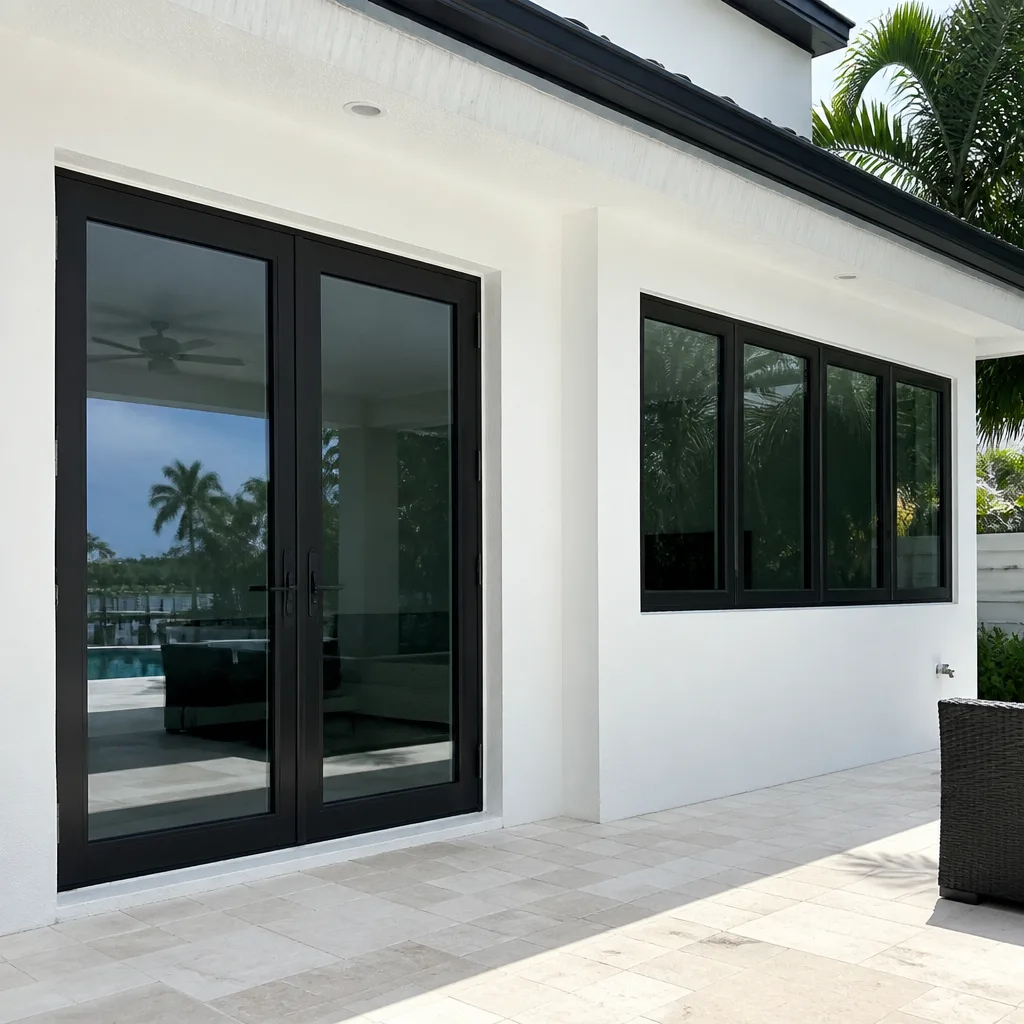 After
After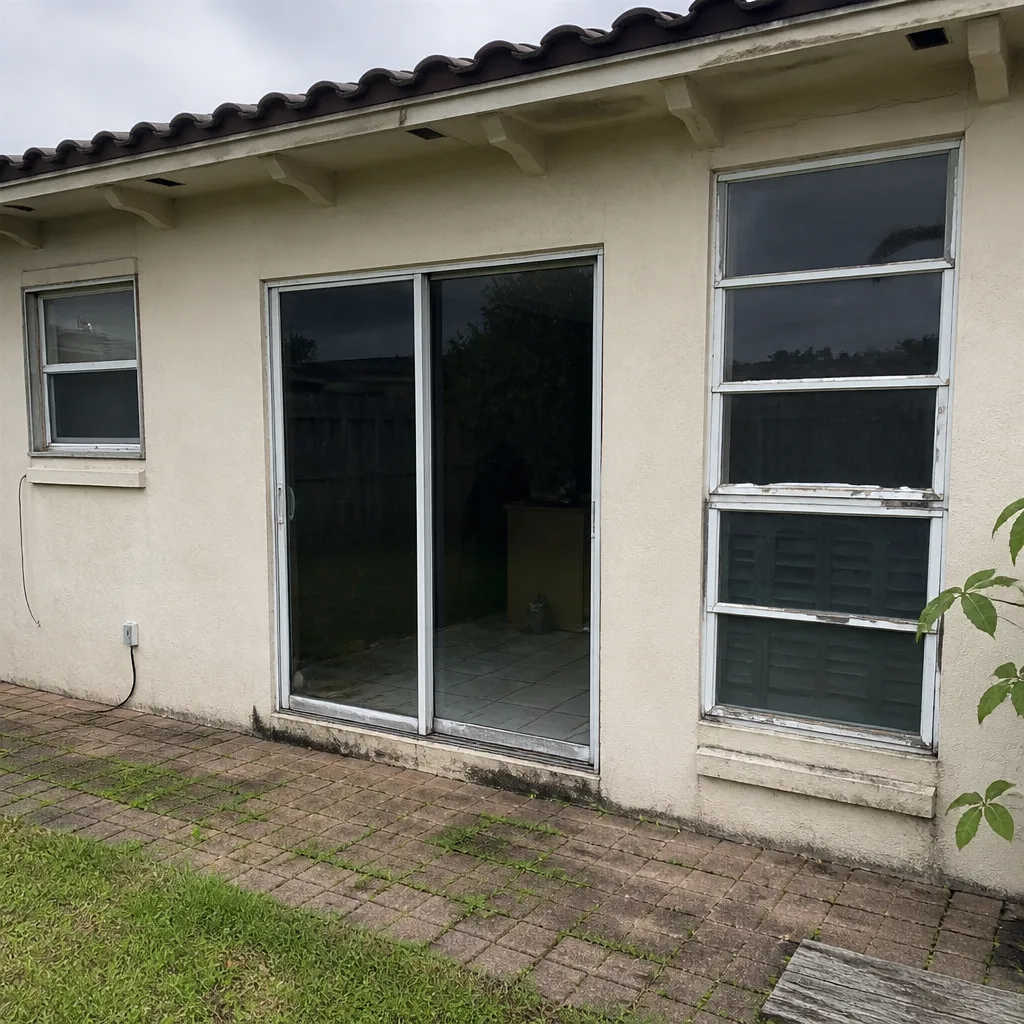 Before
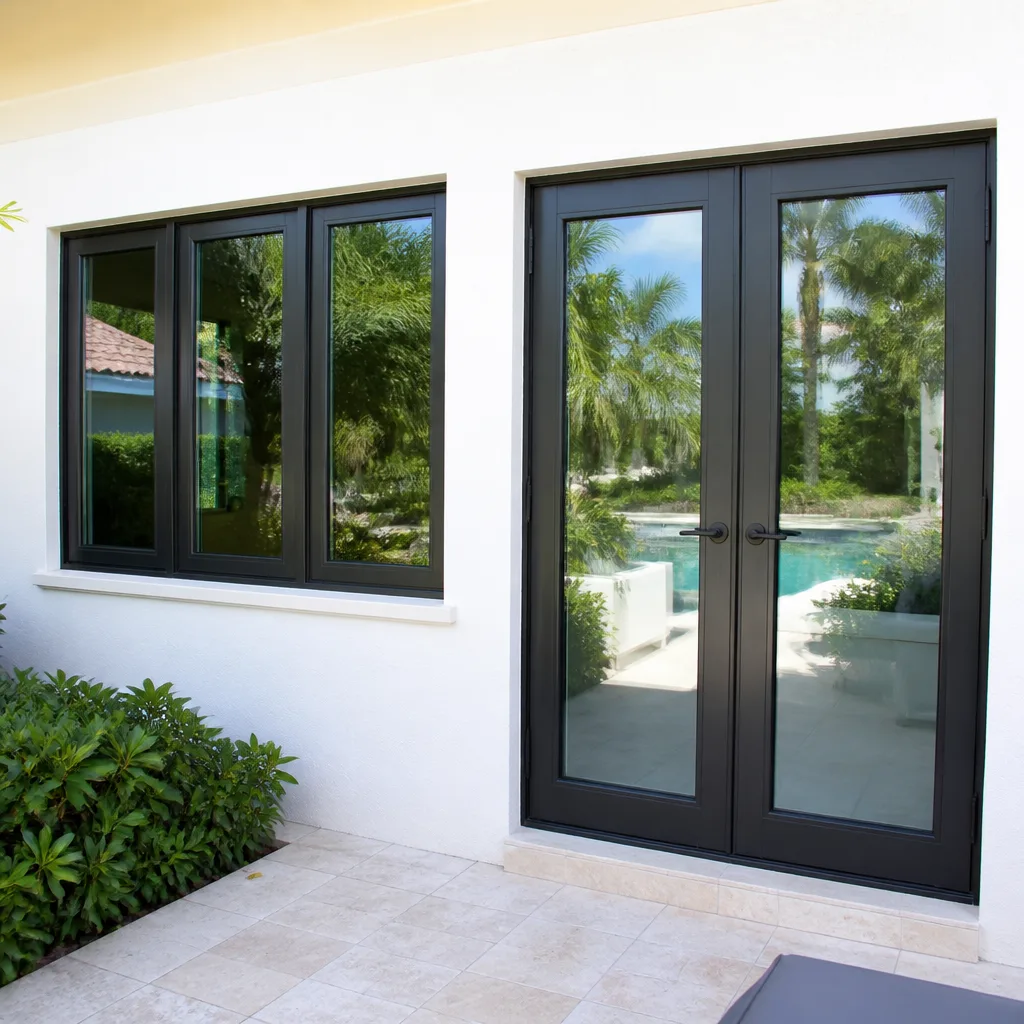 After
After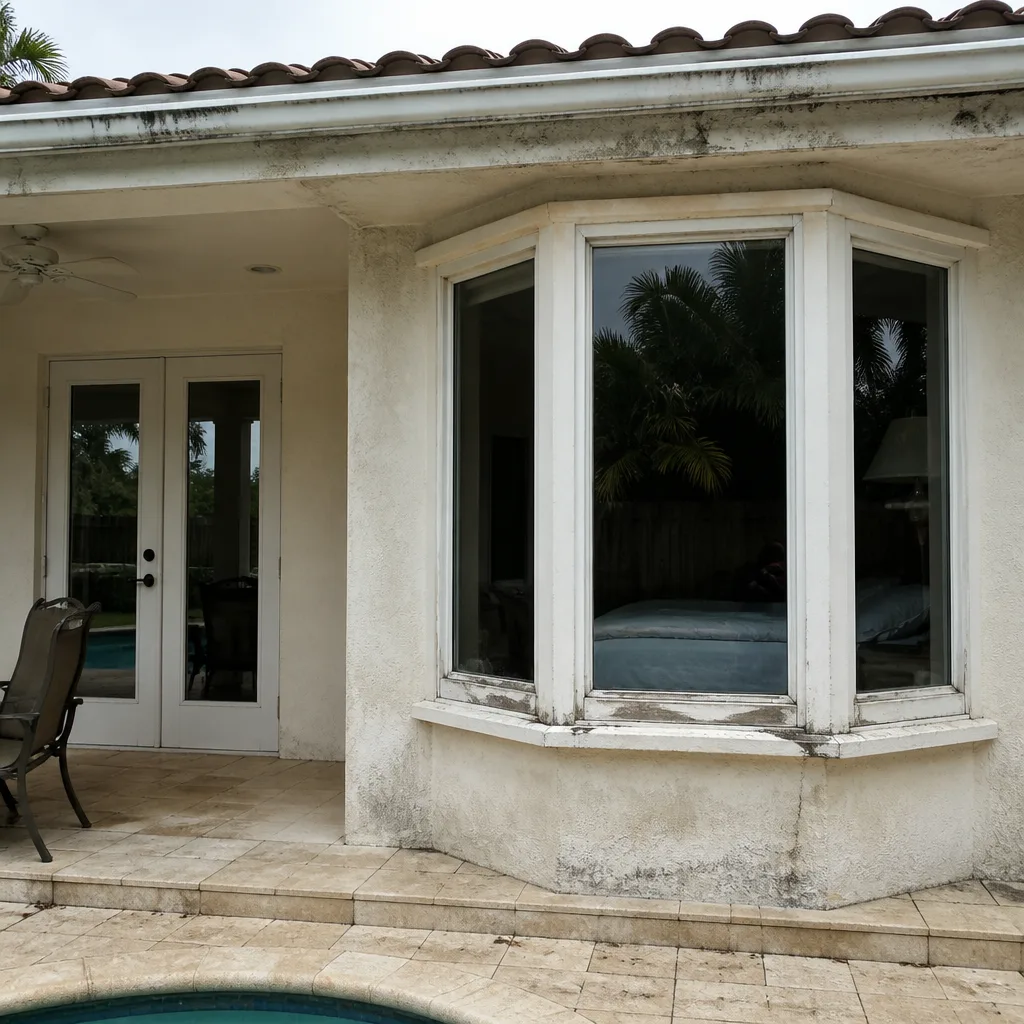 Before
 After
AfterSimonton Glass Railing Systems: The Miami Owner’s Guide
We stock and install Simonton-compatible glass railing systems throughout Miami, with most replacements running between $85 and $240 per lineal foot installed, depending on glass thickness, hardware finish, and whether you need post-mounted or fascia-mounted anchors. We keep the most common Simonton railing components on our trucks, so a single-visit swap is standard for straightforward failures. Most owners find out they have a problem the same way: a railing that was rock-solid for years suddenly shivers when a grandchild leans on it, or a glass panel that starts rattling in the wind off Biscayne Bay and won’t stop no matter how many times you tighten the visible screws.
Which Simonton Models This Applies To
Simonton’s glass railing line is less sprawling than their window catalog, but there are still compatibility gotchas that catch people off guard. The two systems we see most in Miami are the Simonton Reflections series, built for residential decks and pool enclosures, and the heavier ProShield line used on elevated balconies and condo common areas. The Reflections system runs 3/8-inch tempered glass; ProShield steps up to 1/2-inch, and that quarter-inch difference matters more than most people expect. The channel depth, the rubber gasket profile, and the aluminum cap design are all sized around the glass thickness, so a ProShield panel will not seat correctly in a Reflections base shoe, and forcing it cracks the glass at the corner within a season.
Identifying your system takes about ninety seconds. Look under the base shoe (the aluminum channel the glass sits in) for a stamped part number, usually a three-letter prefix followed by four digits. Reflections parts start with REF; ProShield starts with PRS. If the stamp is worn off, measure the glass thickness and the inside width of the channel. We match OEM Simonton parts when they’re available and the railing is under warranty. When the warranty has lapsed, we often quote a quality aftermarket equivalent side by side on paper, because the aftermarket hardware for Simonton railings has come a long way in the last six years, and the stainless options hold up better against Miami’s salt air than the original zinc caps do. Dale Kessler has spent enough afternoons comparing gasket compression on these systems to tell you exactly what the difference buys you, and what it doesn’t.
Signs Your Simonton Glass Railing Systems Is Failing
- Glass panel rattles when you close a door or when the wind picks up. The neoprene gaskets inside the base shoe have compressed and lost grip. In Miami, the salt air accelerates this, and once a panel rattles, it is working against the aluminum with every gust, widening the channel clearance.
- The top cap on the glass has lifted or shifted off-center. The vinyl cap was designed to compress and hold, but UV exposure breaks down the polymer after seven to ten Florida summers. A shifted cap means the glass is no longer braced from the top, and a hard shoulder against it can displace the panel entirely.
- Water collects inside the base shoe and drips onto the deck. The drain slots clog, or the shoe’s sealant bead fails. Standing saltwater inside the channel corrodes the aluminum from the inside out, and you won’t see the damage until the shoe splits.
- Anchor posts feel solid but the glass moves independently from the frame. The structural screws are fine; the glass-retention system has failed. This is the one we take most seriously, because it gives a false sense of security. The post looks fine. The panel isn’t.
- White chalky residue or pitting on the aluminum base shoe. That’s galvanic corrosion, usually where the stainless fastener meets the aluminum shoe without an isolating washer. It spreads under the powder coat and eventually the rail loses its hold on the anchoring hardware.
Replacement Costs in Miami
Here’s what Miami homeowners should budget, installed, including parts and labor:
- Replace one 36-inch glass panel with new gaskets: $180-$320
- Replace one aluminum post with base cover (painted or mill finish): $140-$260
- Replace 10 lineal feet of base shoe and gaskets, glass reused: $320-$600
- Full 10-foot rail section, new glass, new hardware, installed: $850-$1,400
- Stainless hardware upgrade (caps, fasteners, isolators) per 10-foot section: $180-$350
The range exists because glass thickness, access below the deck, and whether fascia or surface mounting is needed all change the labor. A fascia-mounted rail on a second-story balcony takes longer and costs more than a surface mount over concrete. We quote a fixed, line-item price before any work begins, and the number on the estimate is the number on the bill. Both the manufacturer warranty layers and our workmanship warranty get registered in writing before our truck pulls away. If it’s not done right, we make it right within 90 days, no paperwork fighting. Call (754) 238-2201 for an exact quote on your railing.
DIY or Call Us?
You can safely do the inspection work yourself: run your hand along the base shoe, press firmly against each panel from the inside, and look for white corrosion powder. That tells you what’s wrong. What you shouldn’t do is remove a tempered glass panel to try to reseat it yourself. Tempered glass carries internal tension; a chip at the edge, even one you can’t see, will cause the whole panel to shatter into granules when pressure hits the corner. These panels are heavy, the fasteners under the base shoe are often corroded in place, and a falling piece of 3/8-inch glass from a second-story rail does real damage. This is a job for a crew that handles glass every day. We’ll be there when we say, and the work is done right the first visit. (754) 238-2201 is a live person, any hour, any day.
FAQs
The glass itself will last the life of the home if it’s not struck, but the hardware components (gaskets, caps, base shoe) typically fail within eight to fourteen years in Miami’s salt air and UV exposure, with oceanfront properties trending toward the shorter end. Call (754) 238-2201 for an on-site assessment, and we’ll tell you exactly what’s worn and what has years left.
In most cases, yes. Gaskets, caps, fasteners, and even a single cracked panel can all be swapped without replacing the entire section. We’ll give you a straight answer about which components are worth repairing and which are far enough gone that replacement is the cheaper long-term play. Estimates are free.
Most single-panel and hardware jobs are finished in one visit, typically two to four hours. A full ten-foot section with new glass is usually a single-day project. We treat your line-item quote as fixed, and we don’t leave a job half-finished. Call (754) 238-2201 and we’ll schedule the work around your calendar.
We stock the most common Simonton Reflections and ProShield hardware components on our trucks, so many repairs are completed the same day we diagnose the problem. Less common finishes or panel sizes we source through our distributor network, typically within three to five business days. We can also quote equivalent parts from Andersen, and Pella lines if you’re weighing options. Measure it right the first time, or plan on coming back.
Written by Dale Kessler, Owner, TruePane Windows & Doors at TruePane Windows & Doors, serving Miami and nearby areas.
Six Reasons Homeowners Choose TruePane Windows & Doors
Impact systems engineered to design pressures up to +/-100, matched to your wind zone - your openings hold when the storm arrives.
Low-E insulated impact glass from our manufacturer lines commonly cuts monthly cooling bills 20-30%.
Laminated impact glass shuts out up to 40% of outside noise - traffic, neighbors, weather.
Monitoring services run $30-90 a month. Laminated impact glass resists forced entry around the clock, with no subscription.
Florida homeowners average around 25% savings on the windstorm portion of their policy after protecting every opening - some homes qualify for more.
A full impact package upgrades curb appeal, buyer confidence and appraised value in one project.